
AT&T / IMV
AT&T is a global telecommunications conglomerate that provides Internet, television, and mobile phone services for millions of consumers.
About
I worked at AT&T from 2006-2008 through IMV / YELLOWPAGES.COM (also known as just "Yellow Pages"), which is the web division of the once tried and true paper directory of the same name.
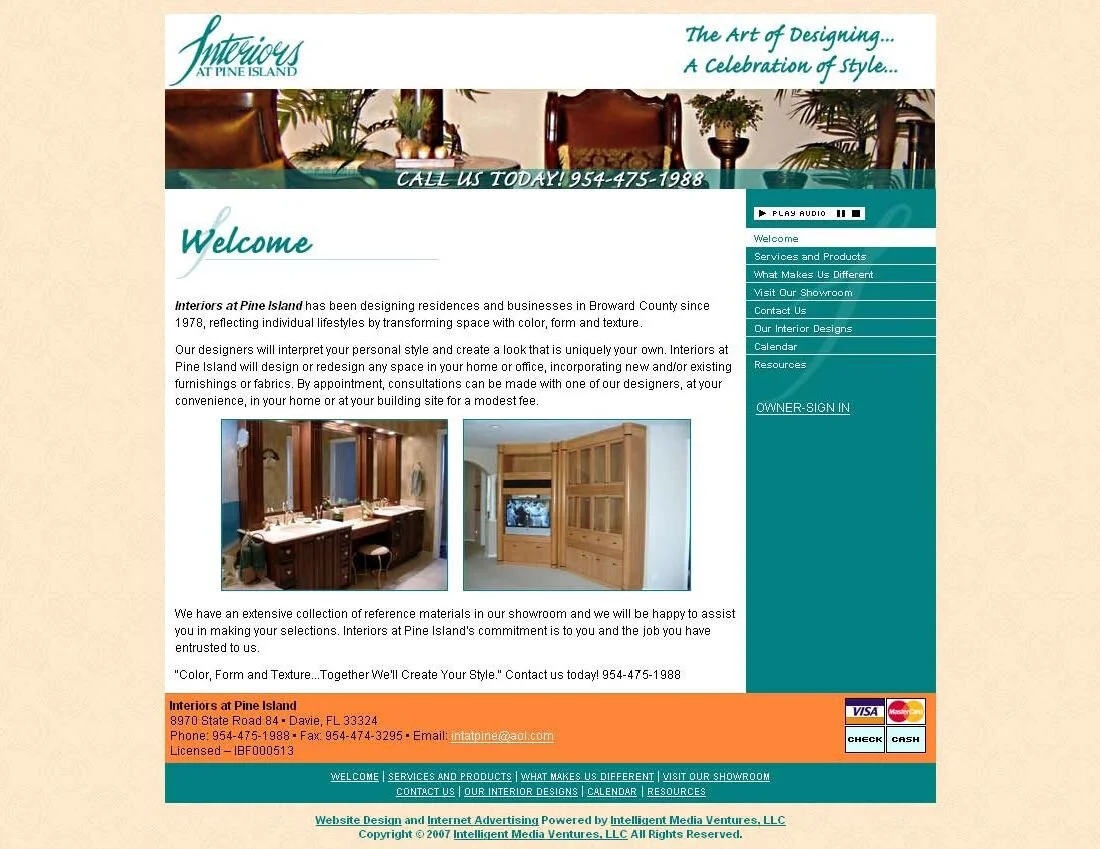
Yellow Pages was responsible for fulfilling sales orders for web tile graphic ads, as well as custom websites ranging from one to nine pages.
Design Requirements
The web tile graphic ads came in three sizes (XNEG - 270x65, MINI - 78x40, TILE - 100x100) and were used on YELLOWPAGES.COM in search engine results pages and other directory listings throughout the AT&T network. These ads must be static, and had to be no more than 8 KB in file size.
Websites ranged from one to nine pages in length, and could not include any JavaScript. Flash animations and Java applets were acceptable, however.
The Work
The two tools most used for design work were Adobe Photoshop and Adobe Dreamweaver. Adobe Flash and Adobe Illustrator were used where necessary for animations or vector drawings, respectively. We also used SWiSH Max, another third-party software tool for creating and editing Flash animations.





Banners and websites were claimed or assigned using AT&T's proprietary project management system (IceBlue) and often included paper packets of materials gathered from salespeople that the customer wanted included for their banner or website. This included copy (which had to be transcribed) logos (which has to be recreated) and photos (which had to be scanned and color corrected).

An example of a scanned Yellow Pages print advertisement included in a website packet.
Part of the website design work also included redesigning prior sites that were done using HTML tables for layout, and converting them to CSS layouts with a focus on cross-browser compatibility with Internet Explorer 6. For speed, I created my own CSS layout framework called Slats, which allowed me to make the development process faster and easier given the volume of work.
Once websites and banners were complete, they went through a QA process with a separate department. If there were changes, those would be assigned to the original designer, or reassigned to other designers on the team. On an average week, a designer was expected to create anywhere from 200 banners to 4-5 websites so they could meet weekly performance quotas.

A preflight checklist used when developing websites.
Conclusion
During my time at AT&T, I designed thousands of banners and hundreds of websites. Much of this work is no longer online due to the changing nature of AT&T's business over the past 10+ years, including AT&T selling most of the Yellow Pages business.