
In 2015, I stood on a stage at SXSW in Austin, TX, and asked a question that felt painfully obvious to me, but strangely provocative to others: where are the Black designers? It was a callout and a lament, not to mention a question that often landed in my inbox. But more than that, it was a demand for visibility in an industry that consistently overlooked us and our contributions.
By 2020, I revisited that question at AIGA’s annual design conference. The murder of George Floyd forced a national reckoning with systemic racism, and the design community was not exempt. Suddenly, Black design events surged! Directories sprang up overnight to connect Black talent with opportunities! Grassroots movements and virtual spaces flourished! Corporations issued pledges about diversity, equity, and inclusion, DEI officers were hired, and employee resource groups (ERGs) started having a more prominent presence internally at companies. For a moment there, it felt like a genuine turning point. The question of where Black designers were seemed to have been answered. Here we are — finally seen.
But now, in 2025, that high tide has receded.
What once looked like a path to career mobility and inclusion has become a bleak, winding road. The current economic and political climate has exposed the fragility of those post-2020 commitments. Thousands of people have been laid off. DEI initiatives have vanished, revealing just how performative they were and where they truly ranked on the list of corporate priorities. And from my viewpoint, many of the Black design communities that once thrived are now struggling to maintain momentum, if they haven’t disappeared altogether (present company included).
Meanwhile, AI has transformed the design industry. And while it offers unprecedented efficiency and automation, it also casts a long shadow over the perceived value of creative work. It’s already difficult for Black talent to break into the industry, and now this new wave of digital transformation has made entry-level roles harder to find and even harder to keep.
So now, I find myself asking a different question: how are the Black designers?
Over the past few months, I’ve reached out to Black designers around the world — from students to entrepreneurs to VPs and CEOs — to take the temperature of our community. The responses have been mixed. Some are riding the AI wave like seasoned surfers, prompting and vibe coding and creating with confidence. Others are holding on tightly to the opportunities they have, navigating this time of uncertainty with grit and determination. And a lot of them are struggling to transition from a moment of crisis-driven support to the long, uphill work of sustaining themselves on shaky ground.
For me, the question about Black designers isn’t about visibility anymore, definitely not in the way it was five or ten years ago. We know we’re here. Even with the erosion of physical and digital spaces since 2020, we know how to find each other. We know how to foster community.
So what comes next?
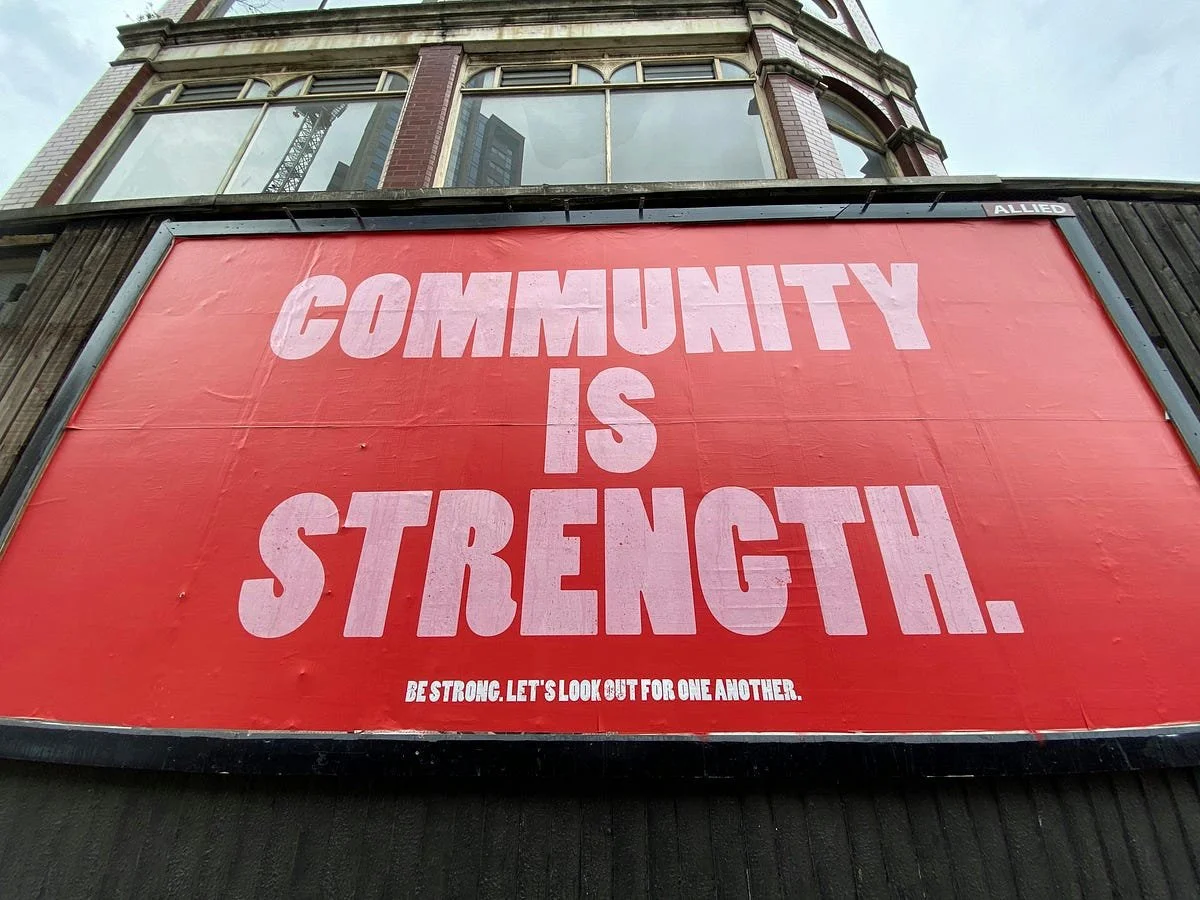
We build and we support each other.
Ten years ago, asking for a seat at the table might have been enough. Five years ago, being served at that table — or choosing to walk away from it to build your own — felt like progress. But today, we need tables that can withstand the next economic calamity, political assault, or technological disruption.
If the past five years have taught me anything, it’s that external validation and corporate pledges are not a sustainable foundation for equity. And we know from history that the fight for equity is a marathon, not a sprint.
What I hope to see now from Black designers is a renewed focus on strengthening our community that includes the following:
Invest in Black-owned and Black-led design studios, agencies, and companies.
Support existing Black design organizations and create new ones that prioritize long-term growth, resource sharing, and mentorship.
Empower HBCU design programs with the resources they need to prepare students for the future of design and tech, and build real bridges between these institutions and companies committed to genuine opportunity, not just pipeline recruitment.
Begin engaging with AI critically and creatively in order to learn how to wield these tools for our benefit, combat bias, and protect our intellectual property.
Like I said before, that early 2020s support has largely faded out. But what remains — what has always remained — is the talent, resilience, and ingenuity of Black designers.
It’s time to harness our power and build something that lasts.